
Where to Find Lactacyd Products | Store Guide | Lactacyd PH
How to Build Healthy Skin Care Habits for Your Baby's Everyday Comfort
Discover how a simple baby skin care routine can help support baby skin health and everyday comfort. Learn gentle cleansing, moisturizing, and after-bath care habits designed to help keep delicate skin soft, protected, and comfortable in the Philippine climate.
 3 min read
Topics:
Share:
A gentle baby skincare routine may help support comfort, protect delicate skin and manage everyday challenges like heat and dryness. This article shares simple habits for cleansing, moisturizing and protecting baby skin, along with tips for choosing products and knowing when to seek medical advice.
A gentle baby skincare routine may help protect your little one's delicate skin, keep them comfortable throughout the day and lay the foundation for healthy skin habits as they grow. For Filipino families living in a warm, humid climate, simple daily care can make a meaningful difference in helping keep your baby's skin soft, clean and comfortable.
Your baby's skin is thinner and more sensitive than an adult's, which means it can lose moisture and react to irritants more easily [1]. Establishing consistent, gentle care early on may support baby skin health and help your little one feel comfortable from morning to bedtime.
Why Is a Baby Skincare Routine Important?
A baby skincare routine is important because a newborn's skin barrier is still developing and needs extra protection against dryness, heat and irritation. Gentle, regular care may help maintain moisture and keep the skin feeling comfortable.
In the Philippines, where temperatures and humidity stay high for most of the year, babies can be prone to sweat, heat rash and general discomfort. A thoughtful approach to daily baby care may help you manage these everyday challenges while keeping your little one feeling fresh [2].
What Are the Two Simple Steps of a Daily Baby Routine?
A simple daily baby routine often comes down to two gentle steps: Step 1, cleansing with a mild baby wash, and Step 2, moisturizing with a suitable baby lotion. Keeping these steps short and consistent may help support your baby's skin barrier and everyday comfort.
Step 1: Baby Wash
Use lukewarm water and a mild, fragrance-free cleanser during bath time. Appropriately formulated liquid cleansers, like Lactacyd Baby Wash Gentle Care, are designed to gently remove sweat and impurities without impairing the skin's natural maturation process [3]. Bathing two to three times a week (with a quick wipe-down on other days) is often enough for young babies, though warm climates may call for more frequent freshening up [3].
Step 2: Lotion
Apply a gentle baby moisturizer after bathing while the skin is still slightly damp. This may help lock in moisture and support the developing skin barrier [1].
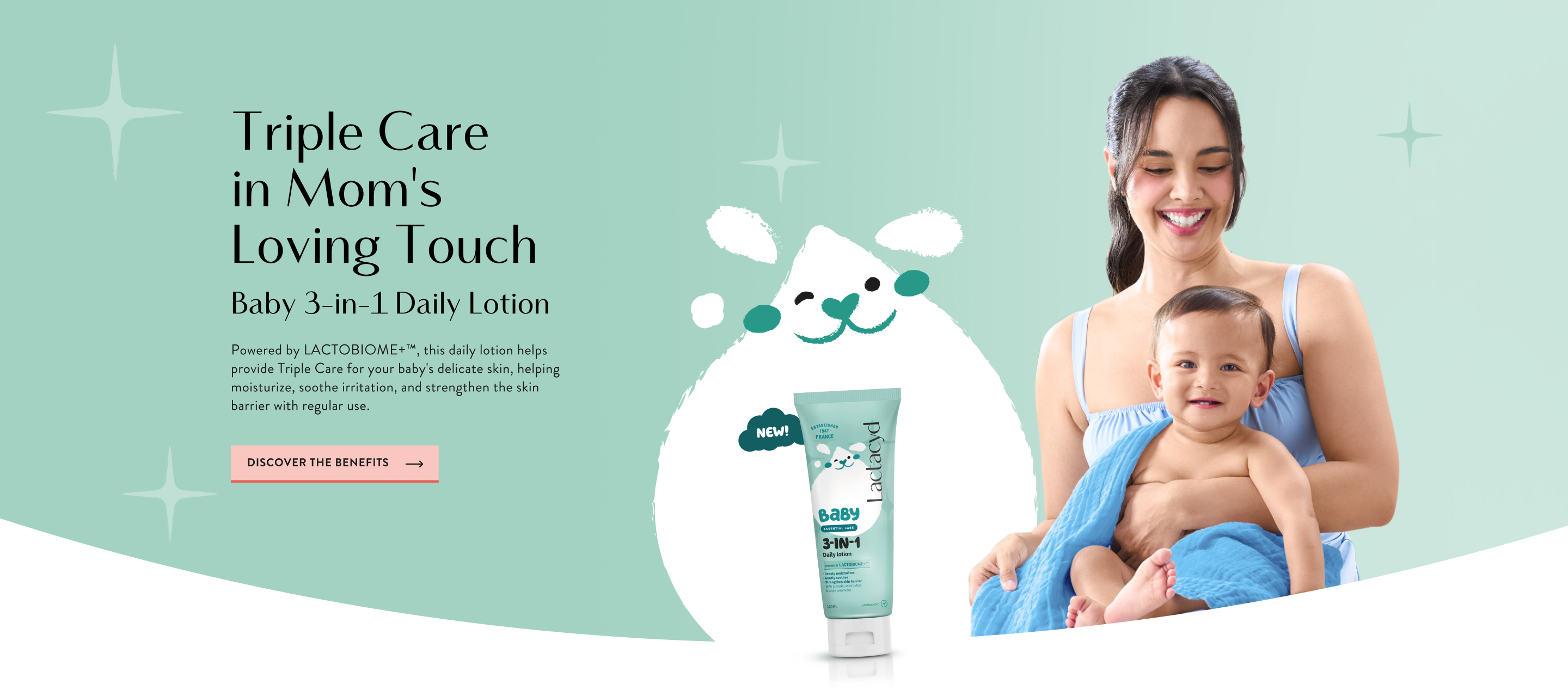
A product like Lactacyd Baby 3-in-1 Daily Lotion is designed to combine moisturizing, soothing and strengthening care in one simple step, which may appeal to parents looking to keep their routine easy. As with any new product, individual results may vary. If you notice signs of irritation, it's best to pause use and consult your pediatrician.
Why Does After-Bath Care Matter?
After-bath care matters because a baby's skin can lose moisture quickly once out of the water, and the moments right after bathing are often the best time to help support the skin barrier. Gently patting the skin dry and applying a suitable moisturizer may help maintain softness and comfort.
Here's how to make the most of after-bath care:
How Do You Start a Gentle Daily Baby Care Routine?
You can start a gentle daily baby care routine by focusing on four simple pillars: cleansing, moisturizing, soothing, and protecting. Keep each step short, consistent and suited to your baby's needs.
Here's a simple way to build healthy skin habits into each day:
What Are the Best Daily Baby Care Habits for Filipino Families?
The best daily baby care habits for Filipino families often focus on managing heat and humidity while keeping the skin clean and moisturized. Small, consistent steps may help support baby skin health throughout the year.
Being consistent with these healthy skin habits may help your baby stay comfortable and can make daily routines feel calmer for the whole family.
How Do You Know if a Product Is Right for Your Baby's Skin?
You can tell if a product may be suited to your baby's skin by choosing mild, fragrance-free formulas and observing how your baby's skin responds over a few days. Every baby is different, so gentle and simple is usually a good starting point.
When trying something new, apply a small amount first and watch for any signs of redness or discomfort. If irritation appears or persists, it's always best to pause use and consult your pediatrician for guidance [5]. A doctor can help you understand your baby's unique skin needs and recommend suitable care. Responses to any product can vary depending on individual factors.
For daily washing, a mild hypoallergenic formula like Lactacyd Baby Wash Gentle Care is specifically formulated for baby's delicate skin.
For daily moisturizing, a gentle option like the Lactacyd Baby 3-in-1 Daily Lotion is designed for delicate baby skin and may be incorporated into your routine as needed, following the directions on the label.
A Simple, Gentle Routine for Everyday Comfort
Caring for your baby's skin doesn't need to be complicated. By keeping to a gentle, consistent two-step routine and paying attention to how your little one responds each day, you may help support their comfort and overall well-being.
Small, mindful habits can go a long way in helping keep your baby feeling fresh and content, such as:
Remember that after-bath moisturization is one of the simplest ways to help maintain your baby's skin barrier and keep delicate skin soft. A gentle daily lotion like Lactacyd Baby 3-in-1 Daily Lotion can be a helpful part of this Step 2 routine. As every baby is unique, trust your instincts, stay observant and reach out to your pediatrician whenever you need extra guidance.
Frequently Asked Questions
How Often Should I Bathe My Baby in the Philippines?
In a warm, humid climate, many parents bathe their babies daily or every other day using lukewarm water. On non-bath days, a gentle wipe-down with a soft, damp cloth can help keep your baby fresh without drying out the skin [3].
When Should I Moisturize My Baby's Skin?
The best time to moisturize is often right after a bath, while the skin is still slightly damp. This may help lock in moisture and support your baby's skin barrier as part of a daily baby care routine [1].
Can I Combine Cleansing and Moisturizing Into Fewer Steps?
Some parents prefer multi-purpose products, such as a 3-in-1 daily lotion, to help simplify Step 1 and Step 2 of their routine. These can be convenient, but it's still important to choose gentle, fragrance-free formulas and observe how your baby's skin responds. Individual results may vary.
How Can I Prevent Heat Rash in Babies During Hot Weather?
Keep your baby cool with lightweight, breathable clothing, avoid overdressing and pat sweat away with a soft cloth. Keeping skin folds clean and dry may also help reduce the chance of heat rash in tropical conditions [2].
Are Fragrance-Free Products Better for Babies?
Fragrance-free products are often gentler and less likely to irritate sensitive baby skin. Choosing mild, fragrance-free formulas is a common way to help support baby skin health, especially for newborns [3].
When Should I See a Doctor About My Baby's Skin?
If you notice persistent redness, dryness, rashes or signs of discomfort that don't improve, it's best to consult your pediatrician. A doctor can assess your baby's skin and recommend care suited to their individual needs [5].
MAT-PH-2601239 / Ver 1.0 / DA 09-2026 / DM 09-2026
Opella Healthcare Philippines Inc
PRODUCTS
You may also like


%20(3).webp)
Feminine Wash
Blocks odors for 24 hours, for all-day freshness and confidence.

Feminine Wash
Instant cooling sensation for all-day freshness.

Feminine Wash
Helps gently protect from bacteria, itchiness & irritation.
ARTICLES
Related reads
.webp)
.svg)
.svg)
.svg)

.webp/jcr:content/Tile%20(2).webp)
.webp/jcr:content/Tile%20(1).webp)


.webp)