Common Intimate Care Mistakes After Your Period | Lactacyd PH

How to Support Your Baby's Skin Health Through Seasonal Weather Changes
A baby's skin can respond differently to hot, humid weather and cooler, rainy conditions. Learn how seasonal changes may affect your baby's skin barrier, moisture levels, and comfort, plus practical skincare tips and moisturizing habits that can help support healthy-looking skin throughout the year.
 3 min read
Topics:
Share:
The changing weather in the Philippines can have a noticeable impact on your baby's delicate skin. From hot, humid days during the dry season to cooler, wetter months during the rainy season, shifts in temperature and humidity may affect your little one's skin comfort, moisture levels, and overall skin health. Because a baby skin barrier is still developing, it is more vulnerable to environmental changes than adult skin, making seasonal baby skincare an important part of everyday care.
Understanding how Philippine weather affects baby skin can help parents build a simple, effective routine that supports skin comfort throughout the year. Whether you're looking for tips on caring for your baby's skin during hot weather, managing dryness during the rainy season, or choosing the right baby lotion for daily moisture support, small adjustments to your baby's skincare routine can make a meaningful difference. With gentle cleansing, regular moisturizing, and season-appropriate care, you can help keep your baby's skin soft, healthy-looking, and comfortable in every season.
How Does Philippine Weather Affect a Baby's Skin?
The Philippines experiences distinct wet and dry seasons, and each brings its own set of challenges for a baby's developing skin barrier. During hotter, humid months, increased sweating and friction from clothing may contribute to occasional irritation, while cooler or rainy months can leave skin feeling drier and less comfortable [1]. Because an infant's skin barrier is still maturing during the first few years of life, it may be more sensitive to these environmental shifts than adult skin [2].
What Happens to Baby Skin During the Humid Season?
Warm, humid weather can increase perspiration in the folds of a baby's neck, arms and legs, which may sometimes lead to redness or a prickly feeling in these areas [1]. Frequent diaper changes, breathable clothing and a gentle daily cleansing routine may help support skin comfort during these warmer months. Choosing a mild, pH-balanced wash formulated for baby's skin, rather than regular soap, may also help minimize unnecessary dryness while cleansing [3].
What Happens to Baby Skin During Cooler or Rainy Months?
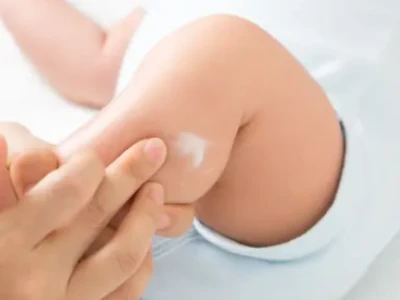
Cooler, rainy weather and increased indoor air conditioning can sometimes reduce the moisture content of a baby's skin, occasionally leaving it feeling rough or tight [4]. This is because a baby's skin barrier has a naturally higher water loss rate compared to adult skin, making it more prone to dryness when humidity drops [2]. Applying a moisturizing, soothing, and strengthening baby lotion after bath time may help support the skin's moisture levels during these cooler months.
What Are Simple Ways to Support Baby Skin Health All Year Round?
A consistent, gentle routine may help support baby skin health regardless of the season. Some habits worth considering include:
These small, everyday habits are generally considered supportive rather than corrective, and they work best as part of a regular seasonal skincare routine rather than a one-time fix.
How Can Baby 3-in-1 Daily Lotion Help With Seasonal Skin Comfort?
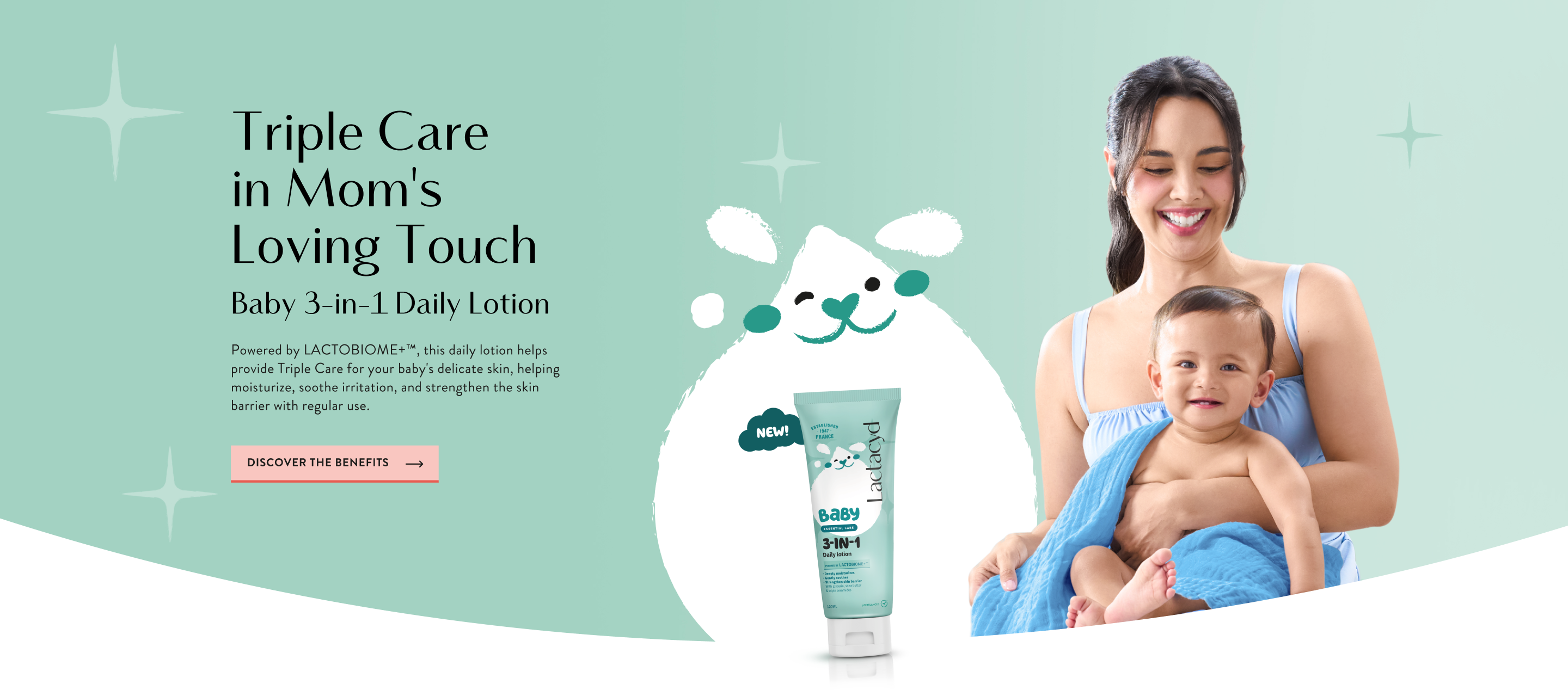
Lactacyd's Baby 3-in-1 Daily Lotion, powered by LACTOBIOME+™, is designed to offer triple care that helps moisturize, soothe and strengthen a baby's delicate skin with regular use. The formula combines plant-based glycerin and hyaluronic acid for deep moisturization, shea butter with a blend of four nourishing oils to help soothe baby’s skin, and a Triple Ceramide Complex that helps strengthen the skin's natural barrier to protect against dryness and everyday environmental stressors [5][6]. Incorporating this daily lotion into a bath-time routine, during either the humid or cooler season, may help babies feel more comfortable as the weather shifts.
Lactacyd brings more than 75 years of experience in skin care to every formula, with products developed based on skin science and regularly reviewed by dermatology experts. This heritage, paired with a gentle, newborn-conscious approach to formulation, is part of why many Filipino families continue to trust the brand across generations.
A Small Daily Ritual for Your Baby's Changing Seasons
Weather will keep shifting throughout the year, but a simple, consistent skincare routine can be one steady comfort for your baby's skin. Paying attention to how your little one's skin responds each season, and adjusting gently cleansing and moisturizing habits along the way, may help support their comfort no matter what the forecast brings. For persistent skin concerns, always consult your pediatrician or dermatologist for guidance suited to your baby's needs.
Frequently Asked Questions
How often should I moisturize my baby's skin during seasonal changes?
Many parents find it helpful to apply a gentle lotion once or twice daily, particularly after bath time, though this can vary depending on your baby's individual skin needs. Observing how your baby's skin responds is generally the best guide. If dryness or irritation persists, consult your pediatrician for personalized advice.
Can hot weather cause baby skin rashes?
Warm, humid weather may contribute to occasional heat rash or irritation in skin folds due to increased sweating and friction. Keeping baby cool, dry and dressed in breathable fabric may help reduce this discomfort. Persistent or worsening rashes should be evaluated by a healthcare professional.
Is Lactacyd Baby 3-in-1 Daily Lotion suitable for newborns?
The formula is designed with delicate skin in mind and is intended for regular use as part of a gentle baby skincare routine. As with any new product, consider consulting your pediatrician before introducing it, especially newborns with sensitive skin.
Why does my baby's skin feel drier during the rainy season?
Cooler temperatures and lower humidity can sometimes reduce the moisture content of a baby's skin, which has a naturally higher water loss rate than adult skin. Using a nourishing lotion after bathing may help support comfort during these months.
What ingredients should I look for in a baby lotion for seasonal skin protection?
Ingredients such as glycerin, hyaluronic acid, shea butter and ceramides are commonly associated with supporting skin moisture and barrier function. Choosing a mild, fragrance-conscious formula designed for baby's skin may also help support overall skin comfort.
Do I need to change my baby's skincare routine every season?
Small adjustments, such as lighter fabrics in warm months or richer moisturizers in cooler months, may help support your baby's comfort throughout the year. The core routine of gentle cleansing followed by moisturizing can generally stay consistent.
MAT-PH-2601335 / Ver 1.0 / DA 09-2026 / DM 09-2026
Opella Healthcare Philippines Inc
PRODUCTS
You may also like


Feminine Wash
Blocks odors for 24 hours, for all-day freshness and confidence.

Feminine Wash
Instant cooling sensation for all-day freshness.

Feminine Wash
Helps gently protect from bacteria, itchiness & irritation.
ARTICLES
Related reads